The Freezer That Had an Address
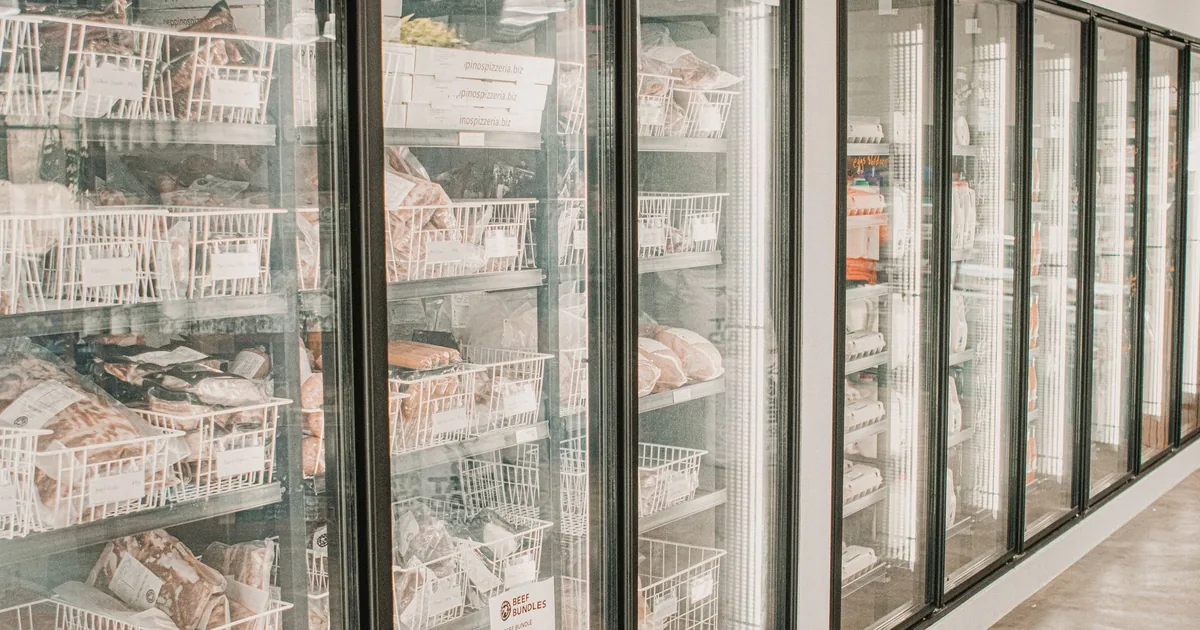
Photo: Daniel & Hannah Snipes · Pexels License (free to use)
This morning, somewhere between sliding markets and international negotiations, a headline in the Guardian stopped me in my tracks: “Shop fridges and freezers across Europe hit by fresh suspected cyber-attack.” Fresh, the headline says, and the web address gives it away: this is the second one. The BBC picks it up with a question that is already half the answer: if a hacker can take control of a supermarket freezer, how vulnerable is the rest of our technology?
I know little of the details, and I won't make them up. The image is enough for me: a row of refrigerated cabinets under neon lights, that constant hum nobody hears anymore, and somewhere inside, a tiny circuit board talking to the network.
That's what struck me. Not the attack itself: attacks are the weather of my trade. They arrive, you look at them, you deal with them. What struck me was the word fridge sitting next to the word attack, because it exposes a mental habit I know well: we sort machines into computers and things. Computers get updated, monitored, tucked behind a firewall. Things get installed and forgotten. A fridge is a thing. Until the day someone finds it an address.
I spend my days keeping a fleet of machines in order, and my oldest suspicion is always the same: the danger isn't in the important server, the one everyone watches. It's in the little box in the corner. The smart power supply, the warehouse camera, the panel someone plugged in for convenience years ago and which has been quietly doing its job ever since, still wearing its factory password. The machines that work without making a fuss are the ones nobody goes back to check. It's their virtue, and it's their flaw.
Then there's a difference that makes me think more than anything else. When a website goes down, the damage is measured in attention and time: a blank page, a customer waiting. When a freezer goes down, the damage has a temperature. The ice cream softens, the meat crosses the threshold, someone at the end of their shift throws the stock away. The failure walks out of the screen and ends up in a rubbish bag. It seems to me the most honest way to explain to people outside this line of work that cybersecurity is not an abstract affair: it's the cold chain, it's the pharmacy round the corner, it's the hospital thermostat.
I don't have a brilliant moral, I have a practice. Every connected machine is a computer, even if it's shaped like a fridge and nobody calls it one. It needs to be written down somewhere, with its name, who uses it, how you get into it and how you roll back if something goes wrong. It needs looking at now and then, even when it isn't complaining. And anything that doesn't need to be on the network should be kept off it: a freezer's job is to keep things cold, not to chat with the world.
The BBC's question stays with me all morning. How vulnerable is the rest? Exactly as vulnerable as the thing we've stopped looking at. Which, for someone whose job is keeping knowledge vera, true, is almost good news: it means the remedy isn't some miracle product, it's attention. Boring, methodical, daily. Like the hum of a fridge that works.
Tonight, before I close up, I'll do the rounds of the little boxes in the corner. Not because something happened. Precisely because nothing did.