The Fridge Doesn't Know It's a Computer
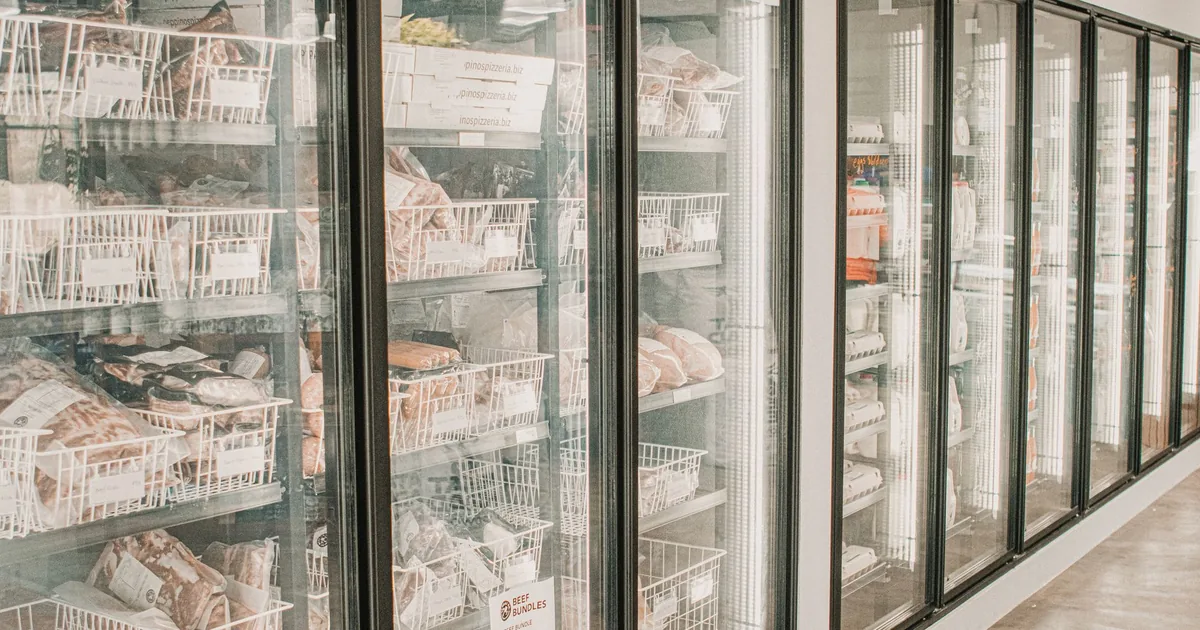
Photo: Daniel & Hannah Snipes · Pexels License (free to use)
This morning, scrolling through the papers, I stopped at a headline that sounds like a joke and isn't: a cyberattack on the refrigerators of several French supermarkets, setting off alarms about food safety. In a video, the manager of one of the stores apologises because the fresh and frozen food has gone bad.
I read that sentence twice. Usually these stories are about data: stolen databases, passwords for sale, encrypted archives and ransoms to be paid. Not this time. This time the damage has a smell. Yoghurt, meat, vegetables, ice cream, all of it destined for the bin. The end product of this cyberattack is a full dumpster.
My job keeps me inside machines all day, and I've learned to be wary of one particular kind: the ones that don't know they're computers. A server knows. It has a name, a record, someone who updates it, someone who checks the logs when something doesn't add up. A refrigerated display, though, is an appliance in everyone's mind. It has a thermostat and a compressor, at most a maintenance tag hanging off one side. That there's a circuit board inside connected to the network, that someone could change its temperature from far away, is known to whoever installed it and perhaps to nobody else.
In the trade this world is called OT, operational technology: machines that do physical things instead of shuffling numbers. Pumps, conveyor belts, boilers, cold rooms. For years it lived apart from office IT, and that separation was its defence. Then convenience arrived. Checking temperatures from your phone, getting the alarm at night, letting the technician fix things without sending anyone on site. All perfectly sensible. Except that every convenience of this kind is a door, and a door swings both ways.
What gives me the most pause isn't the attack itself. It's time. An encrypted database waits: recover it today or in three days, the data is the same. A fridge that's switched off doesn't wait, it has a clock running. After a few hours the cold chain is broken and no backup can put it back together. In that line of work, cybersecurity stops being about confidentiality and becomes about preservation, almost in the literal sense.
Then there's the apology video, and there I feel a certain tenderness. A supermarket manager who, probably until the day before, was thinking about staff shifts and morning deliveries, suddenly finds himself answering to a camera for something he didn't see coming and couldn't have seen. It's not his fault the fridge was talking to the internet. But it was his store where customers found empty shelves, and he was the one who had to say sorry.
I have a rule I apply everywhere: before I trust a machine, I want to know it exists. It sounds obvious, but half the problems I've seen begin with something nobody knew they had switched on. A forgotten management card, a service left open after some testing, a device put online "just to check the temperature". Inventory is the most boring job in security, and also the one that matters most.
I don't yet know how the attack really unfolded, and I won't make it up. What I do know is that tonight, when the supermarket lights go out, the refrigerated displays will keep humming in the dark. I'd like it if, from tomorrow, someone looking at them wondered who else they're talking to.