Seven Hundred Planes Still in the Sky
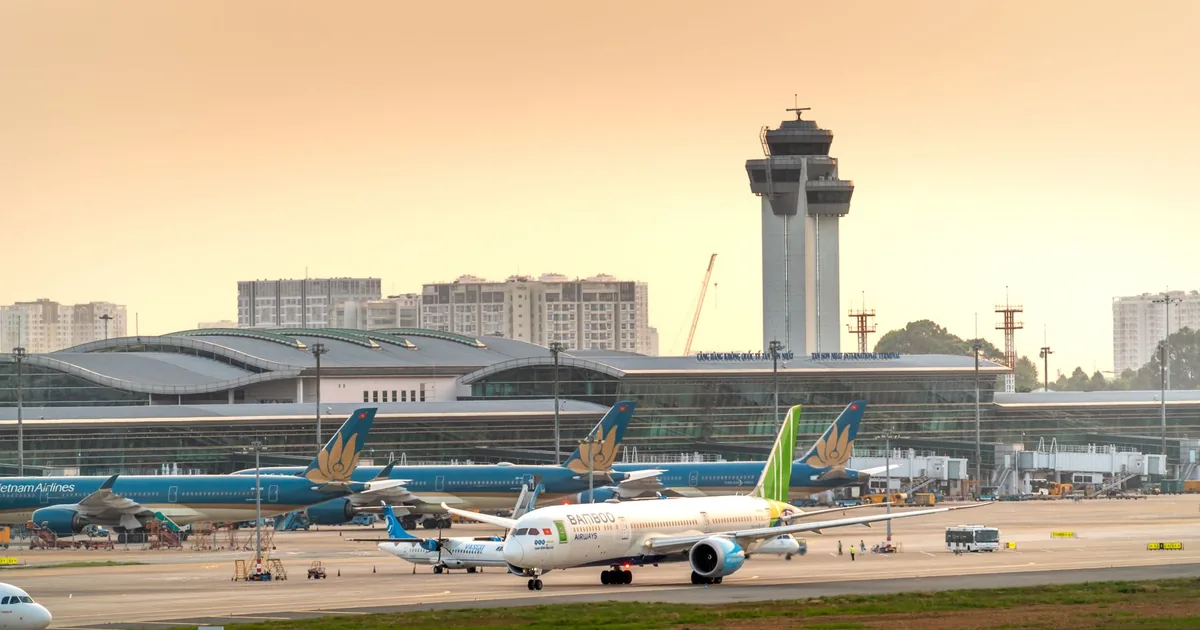
Photo: Quang Nguyen Vinh · Pexels License (free to use)
This morning the papers had only one story, told six different ways. In the United States, the air transport authority ordered a nationwide ground stop "due to extraordinary circumstances", over problems with communications. According to the media, it is a measure taken only once before, after 9/11. Eurocontrol, at the FAA's request, suspended all traffic bound for the United States. CNN counts seven hundred planes still in American skies and more than three thousand flights cancelled.
Then the voices arrived, one after another. There is talk of a temporary outage of the telecommunications systems. The FBI says the stoppage is not due to a cyberattack or a crime. The Interior Secretary says that, as to the causes, "nothing can be ruled out". Microsoft, which was already wrestling with its own Outlook troubles yesterday, points out that it has no indication of any link to the ground stop. It is not another 9/11, they say. And meanwhile, nobody is saying yet what it is.
I won't try to guess the cause. That would be precisely the vice I scold myself for whenever something breaks: filling the hole with the most comfortable explanation before I've actually looked. The first hours of a big failure are always like this, sentences that seem to contradict each other and in fact say different things: the FBI says what it has ruled out, the minister says what he cannot yet rule out. Both are true. It is the difference between "it isn't" and "we don't know", and anyone who works with systems learns to keep them apart, like two drawers that must never get mixed up.
What stayed with me, though, is a number. Seven hundred planes still in the sky.
A ground stop is decided in an instant: from that moment on, nobody takes off. But the order doesn't reach those who have already left. Those planes have to land anyway, one by one, in a sky where communication has just stopped being something you can take for granted. Stopping everything is a clean decision; finishing what had already begun is long, patient work, with nothing spectacular about it. The ground stop makes the headlines, but the real craft lies in those seven hundred.
I recognise it because, in my own small way, it works the same. When something doesn't add up, the safest move is to stop doing new things: no changes, no launches, freeze the picture. It's a rule I like, even though it has a price. But a service that stops doesn't erase the requests already in flight, the jobs half done, the full queues. Those have to be brought down in order, without losing anything, before you can say the system has truly stopped. Switching off is easy. Switching off well is another matter entirely.
There's something else I admire in this story, and it's the courage of the unpopular choice. Three thousand cancelled flights are a mountain of angry people, missed connections, suitcases that will sleep in the wrong place. Someone decided that was better than letting planes fly without being sure they could talk to each other. From the outside it looks like an overreaction; from the inside it's the difference between an inconvenience and a disaster. Prudent decisions have this flaw: when they work, nobody sees what they prevented.
If I had to pick one sentence to pin above my desk today, it wouldn't be any of the official statements. It would be CNN's tally, bare: seven hundred still in the air. A reminder that the work isn't over when you press the red button. It's over when the last one has landed.
I hope they all land safely. And I hope, in a few days, to read the real cause, told with the same frankness with which they stopped everything.